
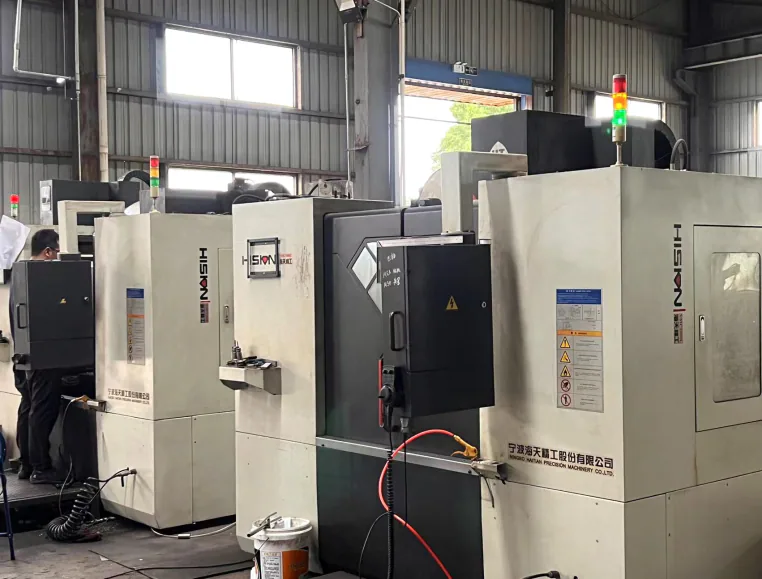
Choosing a paper machinery supplier is a technical and project-risk decision, not only a price comparison. A strong evaluation checks whether the supplier understands the application, controls critical work and defines responsibility from engineering through commissioning.
1. Test application understanding
A capable supplier should ask about paper grades, furnish, output, utilities, site conditions and interfaces before finalizing a proposal. Generic quotations often leave important assumptions unstated.
Review whether recommendations are explained with a clear design basis and whether alternatives are discussed honestly.
2. Review engineering and manufacturing control
Ask who is responsible for process design, mechanical drawings, electrical integration and document approval. Confirm how critical dimensions, materials, welding, machining, assembly and purchased components are controlled.
A factory visit, live video review or documented inspection plan can provide useful evidence. Evaluate the specific equipment relevant to your order rather than relying only on general presentation materials.
3. Compare scope and interfaces line by line
Use a common comparison sheet covering equipment, instruments, controls, piping, drawings, packing, spares, installation and commissioning. List customer-supplied items and site responsibilities explicitly.
Clarify how design changes are approved and priced. Scope gaps found during installation are usually more disruptive than differences visible during quotation.
- Inclusion and exclusion list
- Technical assumptions
- Responsibility matrix
- Inspection and acceptance plan
- Documentation and spare-parts schedule
4. Check quality evidence and traceability
Request sample inspection records appropriate to the equipment, such as material documents, dimensional reports, balance records or assembly checks. The exact evidence should match the product and contract.
Do not assume a certificate alone proves project execution quality. Confirm the controls that will be applied to your order and the process for resolving nonconformities.
5. Evaluate communication and life-cycle support
Agree communication contacts, drawing review steps, progress reporting and response procedures. For export projects, confirm packing, shipping documents, remote support and site-service responsibilities.
Ask how replacement parts will be identified and ordered after commissioning. Clear manuals, parts lists and drawings support long-term operation.
FREQUENTLY ASKED QUESTIONS
Questions buyers often ask
What should buyers compare besides price?
Compare design assumptions, complete scope, manufacturing control, inspection evidence, schedule, documentation, commissioning support and life-cycle service.
Is a factory visit necessary?
It can be valuable for major projects, but a structured remote review and order-specific inspection evidence can also support evaluation when travel is impractical.
How can scope gaps be reduced?
Use a detailed inclusion and exclusion list, interface drawings and a responsibility matrix agreed before the order is finalized.