
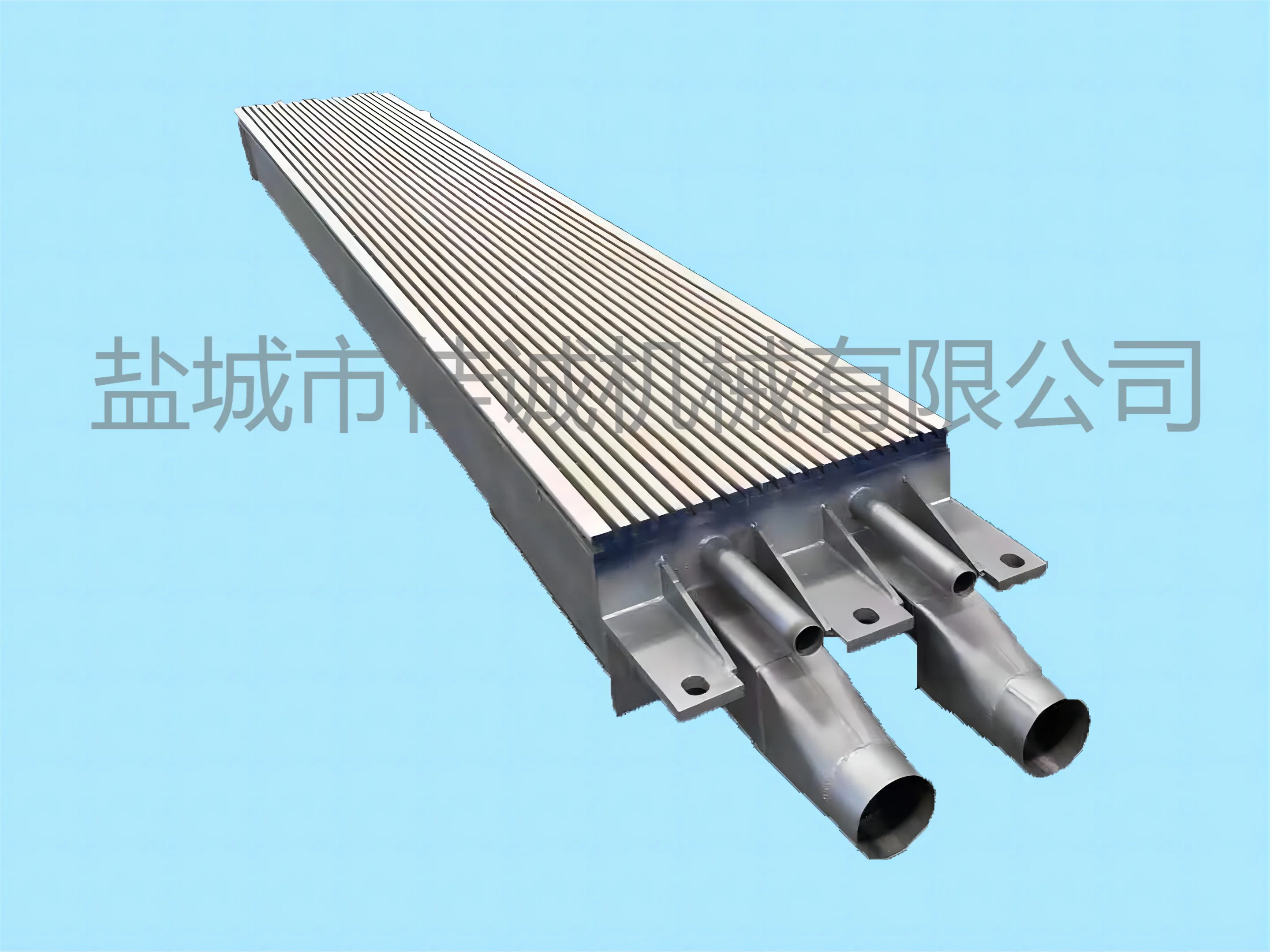
Dewatering elements influence sheet formation, fabric condition, vacuum demand and downstream drying load. Effective improvement starts with measurement and a clear drainage objective, not by replacing individual elements without reviewing the whole forming section.
1. Map the existing drainage process
Record furnish, basis weight, speed, headbox consistency, white-water conditions and dryness at available measurement points. Note the type, position and condition of each foil, table element and suction box.
Drainage should develop progressively. Excessive early removal can disturb formation, while insufficient removal shifts load to later vacuum and press sections.
2. Match geometry and material to the duty
Foil angle, width, spacing and surface condition affect pressure pulses and fabric contact. Suction-box design must consider sealing, slot pattern, drainage and access.
Ceramic grade and mounting method should suit speed, fabric and contamination conditions. Inspect for chips, raised joints and uneven wear that could damage the forming fabric.
3. Control vacuum by zone
Divide the forming section into functional drainage zones and measure vacuum where practical. Stable control helps operators respond to furnish and grade changes without relying only on valve position.
Review separators, piping, drainage legs and vacuum sources as a system. Restrictions or poor separation can waste energy and create unstable operation.
- Vacuum level by position
- White-water and air separation
- Pipe size and drainage condition
- Valve and measurement arrangement
- Grade-specific operating settings
4. Evaluate energy with production data
Compare vacuum power and operating settings against production rate, grade and dryness rather than a single motor reading. A lower vacuum value is not automatically better if sheet dryness or stability deteriorates.
Establish a baseline before a rebuild and repeat the same measurements afterward. This supports objective tuning and avoids unverified savings claims.
5. Plan installation and maintenance
Confirm mounting dimensions, level, alignment, access and shutdown time. Rebuild drawings should show interfaces with the frame, showers, piping and fabric path.
Create an inspection routine for ceramic damage, sealing, buildup and drainage. Small defects can develop into fabric wear or sheet-quality problems if they are missed.
FREQUENTLY ASKED QUESTIONS
Questions buyers often ask
Can dewatering elements reduce vacuum demand?
A correctly engineered drainage arrangement may reduce unnecessary vacuum load, but the result depends on furnish, grade, speed, dryness targets and the condition of the complete system.
What data is needed for a dewatering rebuild?
Provide machine layout, element dimensions, furnish, grades, speed, current vacuum readings, dryness data, fabric information and photographs.
Why inspect ceramic joints?
Chipped, raised or uneven joints can increase fabric wear and disturb drainage, so surface condition and alignment are important maintenance checks.